
Istanbul as a Lifestyle Destination, Not Just a Tourist City
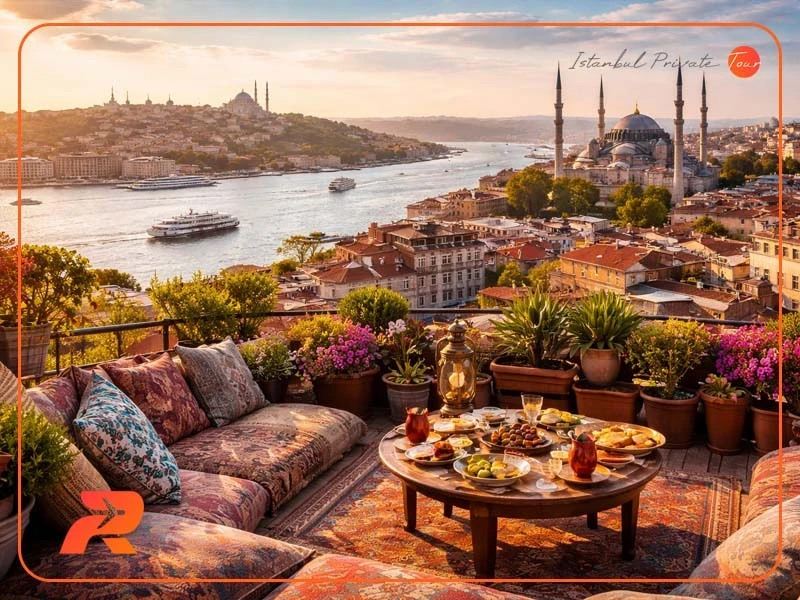
Istanbul as a Lifestyle Destination, Not Just a Tourist City
Istanbul is often introduced to the world as a city of monuments — a place of grand mosques, imperial palaces, bustling bazaars, and breathtaking views over the Bosphorus. For first-time visitors, the experience is intense, layered, and unforgettable. Yet what many travelers gradually discover is that Istanbul is not merely a destination to visit. It is a city to inhabit, to experience slowly, and, for many, to live in.
In 2026, Istanbul is increasingly recognized not only as one of the world’s most visited cities, but as a lifestyle destination — a place where culture, daily life, work, leisure, and personal growth intersect. The transformation from short-term visitor to long-term resident is not accidental. It is shaped by the city’s geography, social fabric, accessibility, and unique rhythm.
To understand Istanbul fully, one must look beyond tourism and explore what makes it a compelling place to build a life.
Beyond Landmarks: The Shift from Tourism to Lifestyle
Most people encounter Istanbul through its iconic sites — the historic peninsula, waterfront skylines, and centuries-old neighborhoods. But after the initial highlights are explored, a new dimension begins to reveal itself.
Istanbul’s true character lies in its daily patterns:
-
Morning ferry crossings between continents
-
Neighborhood cafés filled with regulars
-
Evening walks along the Bosphorus
-
Markets that function as social hubs
These are not attractions designed for visitors; they are part of the living city. Over time, this everyday authenticity becomes more compelling than the checklist of monuments.
The shift from tourism to lifestyle begins when the city stops being a spectacle and starts becoming familiar.
A City of Neighborhood Identities
One of the defining aspects of Istanbul as a lifestyle destination is its neighborhood diversity. The city is not homogeneous; it is composed of micro-communities, each with its own rhythm and identity.
Some districts are known for:
-
Cultural vibrancy and art scenes
-
Quiet residential streets
-
Waterfront living
-
Business-oriented environments
-
Historic architecture
-
Green spaces and family life
This diversity allows individuals to find an area that aligns with their personal values and pace of life. Instead of adapting entirely to the city, residents often discover that Istanbul adapts to them.
Lifestyle in Istanbul is shaped less by the city as a whole and more by the neighborhood you call home.
The Balance Between Energy and Calm
Large global cities often present a trade-off: dynamic urban energy at the cost of constant pressure. Istanbul, however, offers a distinctive balance.
While it is undeniably vibrant and densely populated, it also provides:
-
Coastal promenades
-
Parks and wooded areas
-
Islands and natural escapes
-
Residential enclaves shielded from traffic
This coexistence of intensity and tranquility is rare. It allows residents to engage fully with the city while still maintaining personal space and mental clarity.
For many long-term residents, this balance becomes one of Istanbul’s most valuable lifestyle advantages.
Cultural Depth as a Daily Experience
In some cities, culture is something visited — museums, galleries, historic buildings. In Istanbul, culture is embedded in daily life.
Religious architecture shapes skylines and routines. Traditional markets coexist with modern shopping centers. Culinary traditions remain active and visible in everyday meals.
The city’s cultural layering — Byzantine, Ottoman, modern Turkish — is not preserved solely for tourists. It is part of the environment residents navigate daily.
This creates a sense of depth that many people find intellectually and emotionally stimulating over time.
The Bosphorus as a Lifestyle Element
The Bosphorus is more than a geographic feature; it is a lifestyle axis. For residents, it represents:
-
A commuting route
-
A recreational space
-
A social meeting point
-
A visual anchor
Living in a city divided yet connected by water shapes how people perceive distance and movement. The act of crossing between Europe and Asia becomes routine, not symbolic.
Few global cities offer this kind of daily interaction with such a dramatic natural setting. Over time, it influences both mindset and pace of life.
Remote Work and the New Global Lifestyle
In 2026, lifestyle decisions are increasingly influenced by flexibility in work. Istanbul has become attractive to:
-
Remote professionals
-
Entrepreneurs
-
Digital creators
-
International freelancers
The city offers strong infrastructure, connectivity, diverse housing options, and a cost structure that remains competitive compared to many Western European capitals.
Combined with cultural richness and geographic accessibility, this makes Istanbul appealing to those designing location-independent lives.
The city’s position between continents reinforces its identity as a global bridge — not only geographically but professionally.
Culinary Life as a Daily Ritual
Food in Istanbul is not limited to restaurants serving visitors. It is deeply integrated into neighborhood culture.
From local bakeries to family-run establishments, food shapes social interaction. Residents build routines around:
-
Morning pastries and tea
-
Open-air markets
-
Seasonal produce
-
Shared meals
This accessibility to authentic culinary traditions enhances everyday life. It fosters connection and belonging rather than novelty.
In lifestyle terms, Istanbul offers consistency without monotony.
Social Integration and Community
Unlike cities where social circles can feel closed or fragmented, Istanbul often operates through informal networks and neighborhood familiarity.
Repeated interactions — with shopkeepers, café staff, neighbors — create social continuity. Even without full language fluency, residents often experience a sense of inclusion.
Community does not always require deep integration; it can grow through small, repeated exchanges.
This gradual accumulation of familiarity contributes significantly to long-term attachment.
Accessibility Within and Beyond the City
Istanbul’s scale is vast, yet its transportation infrastructure supports both exploration and routine.
Residents benefit from:
-
Metro lines connecting major districts
-
Ferry networks offering scenic daily transport
-
Highway systems enabling suburban access
-
International airport connectivity
The city functions as both a local environment and a gateway. Weekend escapes, domestic travel, and international movement are all relatively accessible.
This mobility enhances lifestyle flexibility.
Economic and Practical Considerations
Lifestyle decisions are not purely emotional. Practical factors also shape long-term stays.
Compared to many major European cities, Istanbul can offer:
-
More spacious housing options
-
Lower daily living costs
-
Diverse rental and ownership opportunities
-
Affordable domestic services
These practical benefits lower the threshold for extended stays and relocation.
The combination of cultural richness and economic viability makes the city sustainable for many lifestyles.
The Psychological Transition: When the City Feels Personal
The transformation from visitor to resident rarely happens suddenly. It unfolds gradually.
Signs of this shift include:
-
Having preferred neighborhoods
-
Recognizing familiar faces
-
Developing daily habits
-
Feeling comfortable navigating unpredictability
At this stage, Istanbul becomes less of an external environment and more of an extension of personal identity.
This psychological adaptation is what ultimately defines a lifestyle destination.
Seasonal Rhythms and Emotional Connection
Unlike destinations that rely on peak seasons, Istanbul evolves across the year.
Each season offers:
-
Different light and atmosphere
-
Varied social energy
-
Distinct cultural events
Residents observe these changes not as temporary visitors but as participants in a cyclical pattern. This temporal depth strengthens emotional connection.
Living through seasons rather than days transforms perception of the city.
Istanbul’s Imperfections and Their Role
No city is without challenges. Traffic, density, and unpredictability are part of Istanbul’s reality.
However, long-term residents often reinterpret these elements not as obstacles but as characteristics. Adaptation fosters resilience.
This acceptance of complexity strengthens the relationship between individual and city.
Lifestyle is rarely built on perfection; it is built on compatibility.
A City That Encourages Growth
Istanbul demands engagement. Its scale, history, and cultural diversity invite exploration even after years of residence.
New neighborhoods, new conversations, and new experiences continue to emerge.
For individuals seeking environments that stimulate growth rather than routine stagnation, Istanbul provides ongoing intellectual and emotional expansion.
Why Istanbul Moves Beyond Tourism
Tourism captures a snapshot. Lifestyle reflects continuity.
What distinguishes Istanbul is its ability to offer both — immediate impact and long-term sustainability.
Visitors arrive for its history and scenery. Residents stay for its rhythm, diversity, and adaptability.
The city accommodates ambition and relaxation, tradition and innovation, privacy and community.
This multidimensional capacity is what allows Istanbul to transcend its reputation as merely a tourist city.
Conclusion
Istanbul as a lifestyle destination represents more than extended travel. It represents a deeper alignment between individual aspirations and urban environment.
Over time, the city shifts from a place to explore into a place to inhabit. Its neighborhoods become personal, its waters familiar, and its routines meaningful.
In 2026, Istanbul stands not only as a global tourism hub, but as a city increasingly chosen for long-term living — a place where lifestyle, culture, and opportunity intersect in ways few cities can replicate.
For those willing to move beyond the surface, Istanbul offers not just memories, but belonging.